

Cybersecurity in Maritime: Navigating the Digital Seas Safely
As the maritime industry undergoes a digital transformation, the integration of advanced technologies such as automation, Internet of Things (IoT), and big data is revolutionizing operations. However, this digital shift also brings significant risks, particularly in the realm of cybersecurity. Protecting maritime assets, systems, and data from cyber threats has become a critical priority as the industry becomes more connected and reliant on digital infrastructure.
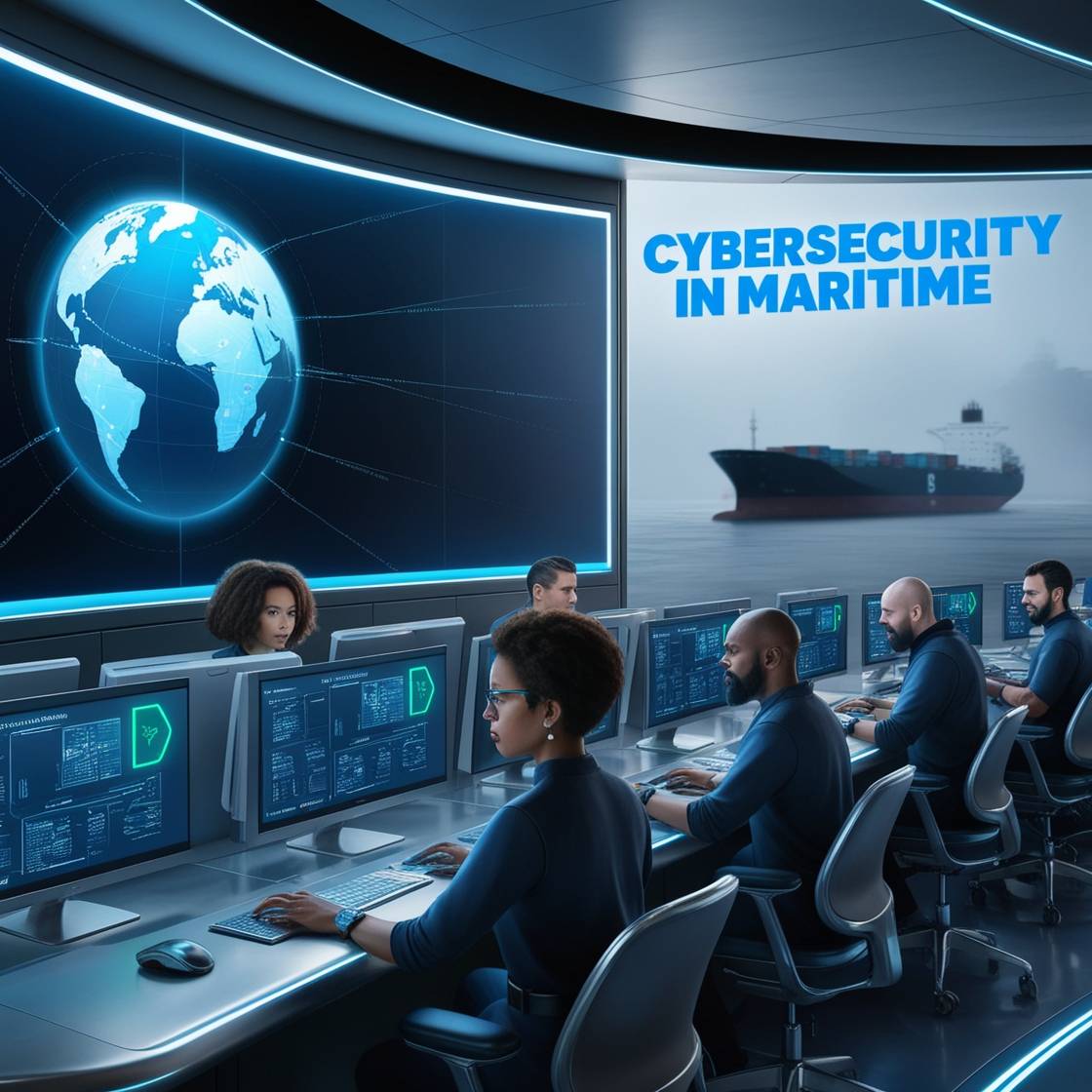
The Growing Threat Landscape
Maritime cybersecurity threats are diverse and evolving. The industry's increased connectivity through satellite communications, onboard systems, and shore-based operations creates numerous entry points for cybercriminals. Common threats include:
- Ransomware: Cybercriminals can encrypt critical ship or port systems, demanding a ransom for their release, potentially crippling operations and causing significant financial losses.
- Phishing Attacks: Crew members or shore-based personnel may be targeted with deceptive emails or messages, leading to unauthorized access to sensitive systems or data.
- GPS Spoofing and Jamming: Interference with a vessel's GPS can cause navigation errors, potentially leading to collisions, grounding, or delays.
- Data Breaches: Unauthorized access to sensitive information, including cargo manifests, crew data, and operational details, can result in theft, fraud, or disruption of services.
- Supply Chain Vulnerabilities: As the maritime industry is deeply interconnected, a cyberattack on one entity can have cascading effects across the entire supply chain.
Key Areas of Vulnerability
Several areas within the maritime sector are particularly vulnerable to cyber threats:
- Shipboard Systems: Modern vessels are equipped with sophisticated systems for navigation, communication, and engine control, many of which are connected to the internet or external networks. A breach in these systems can compromise the safety of the vessel and its crew.
- Ports and Terminals: Ports are increasingly reliant on automated systems for cargo handling, vessel traffic management, and logistics coordination. A cyberattack on these systems can disrupt entire supply chains and lead to significant economic consequences.
- Supply Chain and Logistics: The maritime supply chain involves numerous stakeholders, including shipping companies, freight forwarders, and customs authorities. Cybersecurity breaches in any part of the chain can lead to delays, loss of cargo, or financial losses.
Strategies for Enhancing Maritime Cybersecurity
To address these challenges, the maritime industry is adopting several strategies and best practices to strengthen cybersecurity:
- Risk Assessment and Management
- Regular risk assessments are essential to identify potential vulnerabilities and implement appropriate security measures. This involves evaluating both shipboard and shore-based systems, as well as the broader supply chain.
- Crew Training and Awareness
- Human error remains one of the most significant cybersecurity risks. Regular training programs for crew members and shore-based personnel are crucial to ensure they can recognize and respond to cyber threats, such as phishing attacks or suspicious activity.
- Implementation of Cybersecurity Frameworks
- Adopting recognized cybersecurity frameworks, such as those provided by the International Maritime Organization (IMO) and the National Institute of Standards and Technology (NIST), helps standardize cybersecurity practices across the industry. The IMO’s guidelines on maritime cyber risk management provide a structured approach to identifying and mitigating risks.
- Incident Response Planning
- Having a well-defined incident response plan in place ensures that organizations can quickly and effectively respond to cyber incidents, minimizing disruption and damage. This includes clear protocols for communication, containment, and recovery.
- Secure System Design
- Incorporating security into the design and development of maritime systems can reduce vulnerabilities. This includes using encryption, access controls, and secure communication protocols to protect data and systems from unauthorized access.
- Collaboration and Information Sharing
- The maritime industry is increasingly recognizing the importance of collaboration and information sharing to combat cyber threats. Organizations such as the Maritime Information Sharing and Analysis Center (MISAC) provide platforms for sharing threat intelligence and best practices across the industry.
Regulatory and Industry Initiatives
Recognizing the growing cyber threat, regulatory bodies and industry organizations have introduced guidelines and requirements to enhance maritime cybersecurity:
- International Maritime Organization (IMO): The IMO’s resolution MSC.428(98) requires shipping companies to incorporate cyber risk management into their safety management systems by January 1, 2021. This resolution emphasizes the importance of understanding and mitigating cyber risks to ensure the safe and secure operation of ships.
- European Union’s Network and Information Systems (NIS) Directive: This directive sets out cybersecurity requirements for operators of essential services, including maritime transport, within the EU. It mandates that member states ensure the cybersecurity of their essential services, with penalties for non-compliance.
- The U.S. Coast Guard: The U.S. Coast Guard has issued guidance on cybersecurity for vessels and maritime facilities, emphasizing the need for comprehensive risk assessments and the integration of cybersecurity into safety management systems.
Cybersecurity in the maritime industry is no longer optional; it is a necessity. As the industry continues to embrace digitalization, the risks associated with cyber threats will only increase. By adopting robust cybersecurity measures, training personnel, and adhering to regulatory guidelines, the maritime sector can safeguard its operations, protect its assets, and ensure the safe and efficient flow of global trade. As cyber threats continue to evolve, so too must the industry's approach to cybersecurity, ensuring that the digital seas remain as safe and secure as the physical ones.